




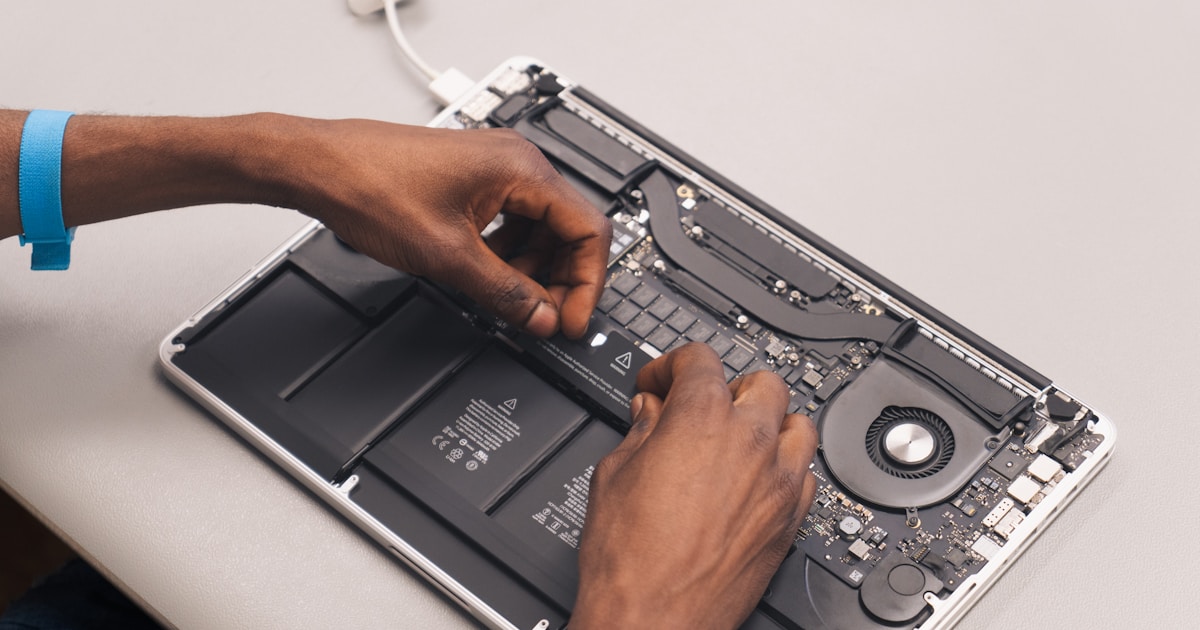
Understanding NAND Memory in MacBooks
The NAND memory in MacBooks plays a crucial role in data storage and retrieval. It's a type of flash memory that allows for faster access and storage operations compared to traditional hard drives. However, like any electronic component, it is susceptible to failures that can hinder device performance.
Common Causes of NAND Memory Failure
NAND memory failure in a MacBook can stem from several causes:
- Wear and Tear: NAND cells have limited write cycles, and excessive use can lead to degradation over time.
- Overheating: Prolonged exposure to high temperatures can damage memory cells.
- Power Surges: Sudden voltage spikes can corrupt the data stored in the NAND memory.
Symptoms Indicating NAND Memory Issues
Recognizing the symptoms of NAND memory failure is crucial for timely intervention:
- Frequent Crashes: Unexpected shutdowns or reboots may signal memory issues.
- Slow Performance: A noticeable lag in processing speed can indicate a problem.
- Boot Failures: Inability to start up the MacBook is a critical symptom.
If you experience these issues, it might be time to seek professional assistance.
Safe Checks Before Seeking Professional Help
Before heading to a service center, users can perform some basic checks:
- Check Power Supply: Ensure that your MacBook is receiving power. Inspect the charger and power cable for any damage.
- Observe LED Indicators: Pay attention to any unusual patterns in the power indicator lights.
- Perform a Basic Reset: Try restarting or resetting the NVRAM to see if it resolves minor glitches.
These preliminary steps can sometimes resolve simple issues without the need for technical repair.
When to Consult a Professional
While some checks can be done by the user, NAND memory issues often require specialized attention. If the symptoms persist despite basic troubleshooting, professional evaluation is necessary. Macbook Intel A1708 A1466 Ssd Replacement services can provide the expertise needed for complex memory recovery tasks.
Consequences of Ignoring NAND Memory Problems
Delaying repair of a faulty NAND memory can lead to data loss and complete device inoperability. It is, therefore, advisable to address these issues promptly to avoid further complications.
Conclusion
MacBook NAND memory failures, while concerning, can often be anticipated through early symptom detection and basic checks. Nevertheless, professional intervention remains the best course for thorough resolution. Protect your data and device by acting swiftly when signs of failure appear.