



Experiencing an air conditioner that doesn’t cool properly can be quite frustrating, especially during the hot summer months. Several factors could be responsible for this issue, ranging from simple fixes to more complex repairs. Let's delve into some common causes and how you can address them effectively.
Common Reasons Your AC Does Not Cool Properly
1. Clogged Air Filters
One of the most frequent culprits is a clogged air filter. When filters are blocked, airflow is restricted, leading to poor cooling performance. Regularly checking and replacing your AC filters can prevent this problem and improve overall efficiency.
2. Refrigerant Leak
Your AC needs refrigerant to cool the air. If there is a leak, the unit will gradually lose its cooling capacity. Identifying and fixing a refrigerant leak requires professional expertise. Therefore, it is advisable to Call Ac Technician On-Site to handle such issues efficiently.
3. Thermostat Issues
Sometimes, the problem is as simple as incorrect thermostat settings. Ensure your thermostat is set to “cool” mode and the desired temperature is lower than the current room temperature. If your thermostat is malfunctioning, consider replacing it with a newer, programmable model.
Diagnosing AC Cooling Problems
Before jumping to conclusions, conduct a thorough inspection of your AC system. Listen for unusual noises and check for any visible signs of wear or damage.
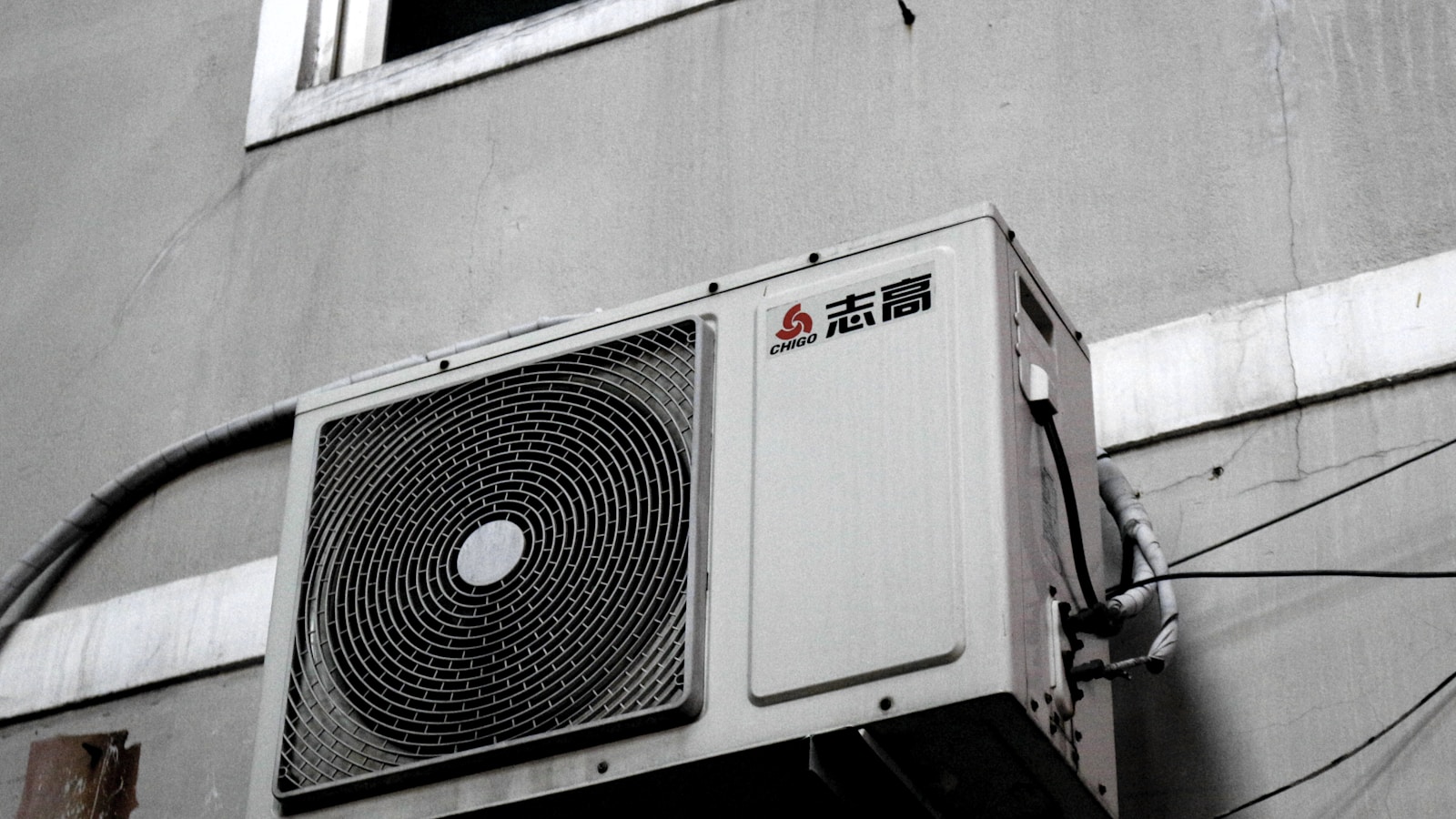
- Check for Obstructions: Ensure that the outdoor condenser unit is free of debris and obstructions that could hinder airflow.
- Inspect the Ductwork: Leaks or blockages in the ductwork can significantly reduce cooling efficiency. Inspect or have a professional examine the ducts for any issues.
- Review Power Supply: A tripped breaker or a blown fuse can prevent the AC from functioning correctly. Make sure the power supply to your system is uninterrupted.
When to Seek Professional Help
While some fixes are straightforward and can be done by homeowners, others require the skills and tools of a professional. If your attempts to resolve the issue are unsuccessful, or you're uncomfortable assessing the system yourself, it’s best to contact a professional technician. Issues like faulty wiring, compressor failures, or complex mechanical failures should be left to experts.
Regular Maintenance is Key
To prevent future problems with your AC not cooling properly, regular maintenance is essential. Scheduling annual tune-ups can extend the life of your unit, improve energy efficiency, and ensure reliable performance. In addition, maintaining your unit can help you avoid unexpected breakdowns and costly repairs.
Conclusion
Addressing why your AC does not cool properly can often be managed with a few straightforward checks and maintenance tasks. However, for more complex issues, it's advisable to seek professional assistance. Remember, ensuring your AC runs smoothly not only keeps you comfortable but also helps in conserving energy and reducing utility bills.